No products in the cart.
The Future of Sustainable Textiles: Navigating Innovation and Transparency
The global textile industry is undergoing a monumental shift, and nowhere is this more evident than in Europe. As brands race to meet consumer demand for ethical products, the European Union is turning that demand into law. For any brand that sources or sells to the European market, understanding these new regulations isn’t optional—it’s essential for future success. At Fab Lab International, we believe these regulations aren’t just a hurdle; they’re an opportunity to build a stronger, more sustainable business model.
What's Changing? The New EU Strategy
The EU’s Sustainable and Circular Textiles Strategy is designed to transform the textile sector from a “take-make-waste” linear model to a circular, resource-efficient one. This ambitious framework introduces several key legislative proposals that will change how brands operate, from design to end-of-life.
- Ecodesign for Sustainable Products Regulation (ESPR): This is the game-changer. It sets mandatory sustainability requirements for products, including textiles, to make them more durable, reusable, and recyclable. It also aims to eliminate harmful substances from production. For brands, this means a shift in design philosophy, with a focus on product longevity and materials that can be easily recycled.
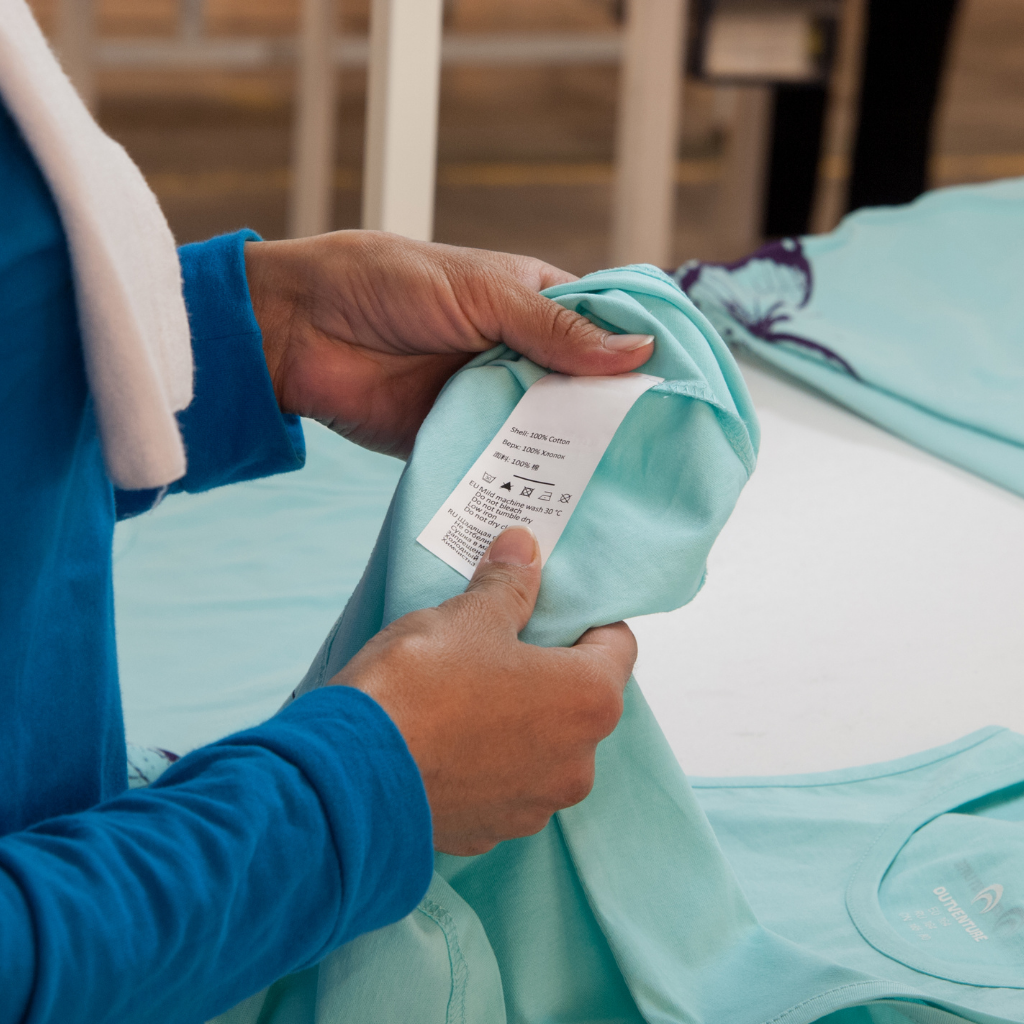
- Digital Product Passport: Soon, every garment sold in the EU will have a Digital Product Passport. This will be a digital tag—like a QR code—that provides detailed information about the product’s entire lifecycle. It will include information on material composition, repair instructions, and recycling options. This is a huge step for supply chain transparency, providing consumers and regulators with full visibility.
- Extended Producer Responsibility (EPR) Schemes: The EU is making producers financially responsible for managing the waste from their products. This means brands will have to contribute to the cost of collecting, sorting, and recycling discarded textiles. This move incentivizes brands to design products that are easier to recycle and reduces the burden on local waste management.
Navigating the New Landscape: Your Action Plan
With these regulations on the horizon, brands must act now to future-proof their operations.
- Invest in Transparency: The Digital Product Passport requires an unprecedented level of supply chain transparency. Brands should begin mapping their supply chains, from fiber to finished product, to ensure they can provide the necessary data. This is where a partner with on-the-ground expertise in sourcing from Asia becomes invaluable.
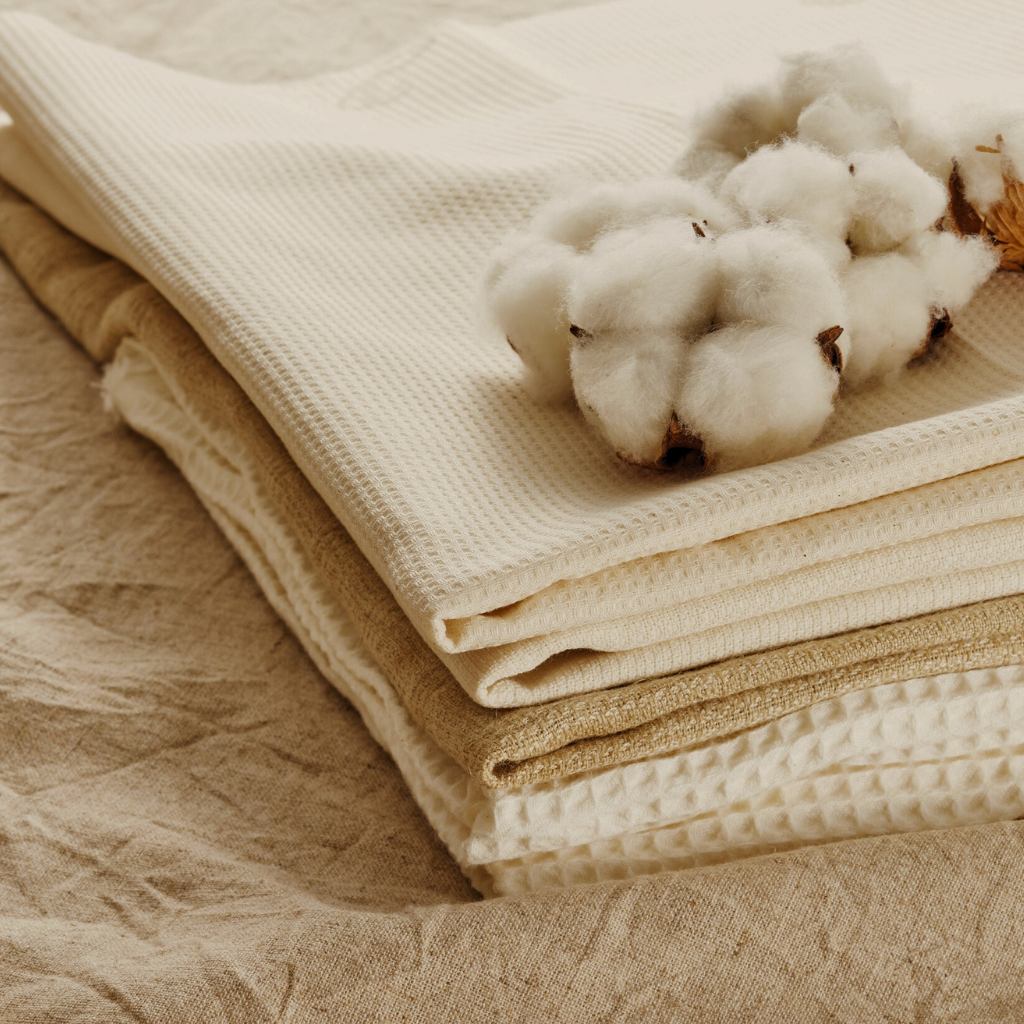
- Prioritize Certified Fabrics: The easiest way to meet many of the new environmental standards is by sourcing certified fabrics. Brands that already work with materials holding certifications like GOTS, Bluesign®, and OEKO-TEX® are well-positioned for compliance. These certifications provide independent, third-party verification that your fabrics are responsibly produced.
- Adopt a Circular Mindset: The regulations are a clear push towards a circular economy. Brands should start designing products with durability and recyclability in mind. This includes choosing single-fiber materials that are easier to recycle and incorporating design elements that allow for easy disassembly and repair.
The Opportunity in Regulation
While these new rules may seem daunting, they represent a significant opportunity. Brands that embrace sustainability now will not only meet compliance requirements but will also build trust with consumers, enhance their brand reputation, and create a more resilient supply chain.
At Fab Lab International, we help our partners navigate this complex landscape. Our expertise in sustainable fabric sourcing and development and on-the-ground QA/QC services ensure your brand is prepared for the future. We can help you find innovative materials, secure key certifications, and build a transparent supply chain that thrives under the new EU regulations.
Ready to turn regulation into a competitive advantage? Contact us today to discuss your sustainability strategy.
Published on: October 20, 2025
Written by: Sarah Jenkins
About the author: Sarah Jenkins is a Senior Sustainability Analyst at Fab Lab International. She leverages her expertise in international regulations and textile science to help brands build resilient and eco-conscious supply chains. With a focus on the European market, Sarah provides strategic insights that turn complex regulations into tangible business opportunities. She is passionate about making sustainability a cornerstone of profitability for brands worldwide.