No products in the cart.
Navigating the world of global textile sourcing can feel overwhelming, especially when you’re specifically looking for certified, sustainable, or technical fabrics from a major hub like China. There are so many platforms, marketplaces, and agents, so how do you know which one is the most authentic?
The answer isn’t a single platform. Instead, the most authentic approach is a combination of using the right digital tools, understanding key certifications, and having a trusted, on-the-ground partner who can verify everything for you.
Why Digital Marketplaces Aren’t Enough
Many brands start their search on large-scale B2B e-commerce platforms like Alibaba. While these sites offer an incredible variety of suppliers and products, they often fall short when it comes to verified quality. A supplier might claim a fabric is certified or sustainable, but without independent verification, you run a high risk of “greenwashing.”
This is why specialized platforms and sourcing networks are gaining traction. Websites like FOURSOURCE and Fabriclore provide a more curated, quality-vetted network. They often have stricter verification processes for their suppliers and can help you filter for specific certifications. However, even these platforms cannot fully replace the need for physical checks.
The Role of Certifications and Standards
The most authentic way to prove a fabric’s claims is through official certifications. When you’re sourcing from China, always look for the following:
- Global Organic Textile Standard (GOTS): This is the gold standard for organic textiles. It verifies the entire supply chain, from the raw fiber’s organic status to the final product’s social and environmental compliance.
- OEKO-TEX® Standard 100: This certification ensures that the fabric is free from harmful substances, making it safe for human use. It’s one of the most widely recognized certifications globally.
- Global Recycled Standard (GRS): If you’re sourcing recycled materials like rPET, the GRS verifies the recycled content and ensures responsible social and environmental practices during production.
These certifications are the official language of sustainability and quality. The most authentic platforms will provide transaction certificates for each batch, not just a one-time supplier certificate.
The Final Piece: On-the-Ground Verification
The most authentic platform isn’t digital at all. It’s a partner with local expertise and an on-the-ground presence. This is where a partner like Fab Lab International becomes an invaluable asset. While digital platforms are great for discovery, they can’t:
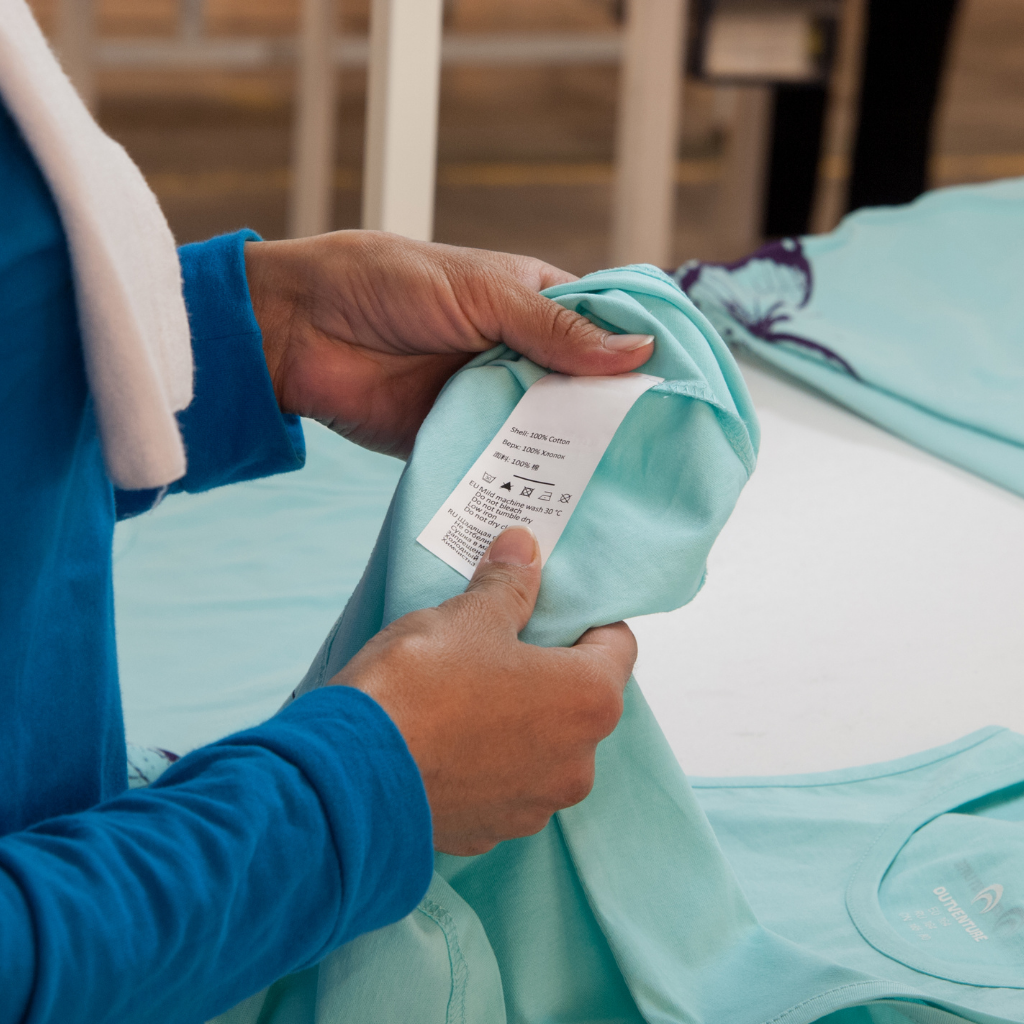
- Conduct Physical Audits: Our team can visit the factory in person to verify quality management systems, check working conditions, and confirm that all certifications are valid and being properly followed.
- Perform In-Depth QA/QC: We conduct meticulous inspections, from raw material to finished product, to ensure your technical and quality specifications are met.
- Resolve Issues Proactively: If an issue arises during production, our local team can intervene immediately, preventing a small problem from becoming a costly disaster.
So, while online platforms can be useful starting points for discovering fabrics, the most authentic and secure way to source certified, sustainable, and technical fabrics from China is by pairing your digital search with a trusted, third-party partner who can provide on-site verification.
Ready to secure your supply chain with confidence? Contact us to discuss how we can assist your brand.
Written by: Noah Harris
Role: Senior Textile Analyst
Published on: September 12, 2025
About the Author: Noah Harris is a Senior Textile Analyst at Fab Lab International with over a decade of experience in global sourcing and sustainable materials. He specializes in market trend analysis and supply chain transparency, helping brands navigate the complexities of textile procurement. Noah is passionate about bridging the gap between innovation and environmental responsibility to build a more resilient and ethical textile industry.